

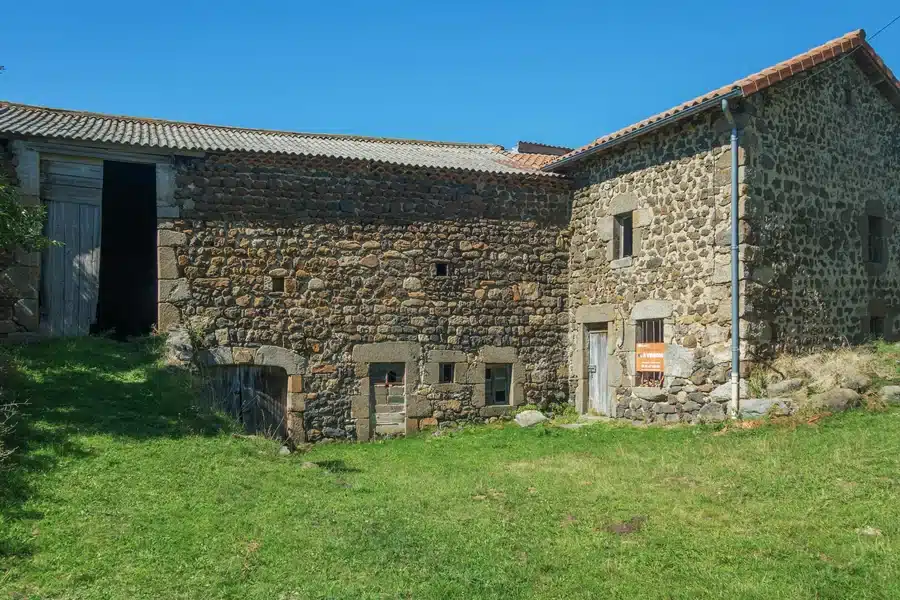
Moving into an older home is often an emotional decision as much as a practical one. Period details, mature gardens, and architectural character can be irresistible, but these homes also come with layers of history that may not align with modern living standards. Before unpacking boxes or choosing paint colors, it is essential to understand that renovation priorities in an older house are fundamentally different from those in a newer build. The first phase is not about aesthetics but about safety, performance, and long-term livability.
Older homes were constructed in eras with different building codes, materials, and expectations around comfort. What once felt adequate may now be inefficient or even hazardous. Approaching renovation strategically allows you to protect your investment, avoid costly surprises, and create a home that functions well.
Start With a Thorough Structural Assessment
The most important renovations are often the least glamorous. Before making any cosmetic changes, the structure of the home must be evaluated. Foundations, load-bearing walls, beams, and roof framing should be assessed by qualified professionals. Cracks in walls, uneven floors, or doors that no longer close properly can signal deeper structural issues that need immediate attention.
Addressing structural problems early prevents a domino effect later. There is little value in restoring original plaster or installing custom cabinetry if the building itself is unstable. Structural repairs also tend to be invasive, so it makes sense to complete them before finishing surfaces or moving in fully. This step lays the groundwork for everything that follows and provides peace of mind as you begin to invest emotionally and financially in the home.
Roofing and Exterior Envelope Come Next
Once the structure is sound, attention should turn to the exterior envelope of the house. The roof, gutters, siding, windows, and doors all work together to protect the home from the elements. In older properties, these components are often nearing the end of their lifespan, even if they appear intact at first glance.
A failing roof or poorly sealed windows can lead to water intrusion, rot, and mold, issues that can escalate quickly and expensively. Replacing or repairing these elements early helps preserve the integrity of the home and improves energy efficiency. Exterior upgrades also allow you to address insulation and ventilation at the same time, which is particularly important in homes built before modern thermal standards were introduced.
Electrical Systems and Wiring Safety
Electrical systems in older homes frequently require urgent attention. Knob-and-tube wiring, aluminum wiring, or outdated fuse boxes are not uncommon and may pose fire risks or limit your ability to use modern appliances safely. Even if the system appears functional, it may not meet current safety codes or support the electrical demands of contemporary living.
Updating the electrical system early in the renovation process is crucial because it often involves opening walls and ceilings. Completing this work before cosmetic updates prevents unnecessary damage later. A modernized electrical system also allows for thoughtful lighting design, smart home integration, and adequate outlets in every room, all of which significantly improve daily comfort.
Plumbing and Hidden Water Issues
Plumbing is another critical system that should be addressed before moving on to surface-level improvements. Older homes may contain galvanized steel or cast-iron pipes that corrode over time, reducing water pressure and increasing the risk of leaks. Hidden water damage behind walls or under floors is a common issue that only becomes apparent during renovation.
Replacing outdated plumbing ensures reliable water flow and reduces the likelihood of emergency repairs. It also allows for upgrades such as improved drainage, modern fixtures, and efficient water heating systems. Taking care of plumbing early is especially important if bathrooms or kitchens are part of your long-term renovation plans, as it prevents having to undo finished work later.
Heating, Cooling, and Insulation Upgrades
Comfort is often one of the biggest challenges in older homes. Inefficient heating systems, lack of air conditioning, and inadequate insulation can make spaces difficult to live in year-round. Addressing these issues early transforms the experience of the home and can significantly reduce energy costs.
Upgrading heating and cooling systems may involve replacing boilers or furnaces, installing ductwork, or adding modern alternatives such as heat pumps. Insulation should be evaluated in walls, attics, and floors, as older homes were often built with little to none. These improvements are not immediately visible, but they have a profound impact on how the home feels and functions every day.
Windows and Doors as a Priority Investment
Windows and doors play a dual role in older homes, affecting both aesthetics and performance. Original windows may be charming, but they can also be drafty, inefficient, and difficult to maintain. Deciding whether to restore or replace them depends on their condition, historical value, and your budget.
Improving windows and doors early enhances comfort, security, and energy efficiency. It also helps protect interior finishes from moisture and temperature fluctuations. Thoughtful choices here can preserve the character of the home while subtly upgrading its performance, striking a balance that many homeowners seek when renovating an older property.
Kitchens and Bathrooms After the Essentials
Once the core systems are addressed, kitchens and bathrooms often become the next focus. These rooms endure the most wear and tear and have the greatest impact on daily life. In older homes, layouts may be impractical, storage may be limited, and materials may be outdated or damaged.
Renovating these spaces after completing structural and mechanical upgrades allows you to design them properly, with modern plumbing, electrical capacity, and ventilation already in place. In bathrooms, this might be the moment to introduce thoughtful details that blend old and new, such as a mosaic shower wall that adds texture and craftsmanship while fitting seamlessly into a contemporary layout. These choices feel more satisfying and last longer when they are built on a solid foundation of reliable systems.

Addressing Floors and Subfloors
Flooring in older homes often tells a story, sometimes a beautiful one and sometimes a problematic one. Original hardwood floors may be worth restoring, while others may be uneven or damaged due to age or moisture issues. Before refinishing or replacing floors, it is important to inspect the subfloor and joists beneath.
Correcting unevenness, reinforcing structural support, or addressing moisture problems ensures that new or restored floors will last. This work is disruptive and should be completed before final finishes and furniture are installed. Floors define the visual continuity of a home, so getting them right at the right time makes a noticeable difference.
Walls, Ceilings, and Paint Timing
Cosmetic updates like paint and wall finishes are often the most tempting first steps, but they are best left until later in the renovation process. Electrical, plumbing, and insulation upgrades frequently require opening walls and ceilings, which can undo newly painted surfaces.
Once the major work is complete, refreshing walls becomes a rewarding step that signals real progress. This is also the stage to address plaster repairs, uneven surfaces, or outdated textures. Choosing paint colors and finishes at this point allows you to respond to the natural light, architectural details, and overall mood of the home as it has evolved through earlier renovations.
Preserving Character While Updating
One of the greatest challenges when renovating an older home is deciding what to preserve and what to change. Original moldings, staircases, fireplaces, and built-ins contribute to the home’s identity and should be protected whenever possible. These elements often cannot be replicated easily or affordably once removed.
Renovation priorities should always respect the home’s character. This does not mean avoiding modern updates, but rather integrating them thoughtfully. Even small details, such as a mosaic border in a renovated bathroom or kitchen, can echo the craftsmanship of the original house while meeting contemporary needs. The goal is continuity rather than contrast for its own sake.
Planning for Safety and Code Compliance
Older homes may not meet current building codes, particularly in areas related to fire safety, stair dimensions, and egress. Addressing these issues early is essential for both legal compliance and personal safety. Smoke detectors, carbon monoxide alarms, and safe stair railings are non-negotiable upgrades.
Code-related renovations can feel restrictive, but they often lead to a safer and more functional home. Working with professionals who understand both modern regulations and historic construction methods ensures that updates are handled sensitively and correctly.
Budgeting and Phasing the Renovation
Renovating an older home rarely happens all at once. Budget constraints and practical considerations often require a phased approach. Understanding what to renovate first helps you allocate resources wisely and avoid costly rework. Core systems and structural issues should always take precedence over aesthetic improvements.
Creating a realistic budget that includes a contingency for unexpected discoveries is especially important in older homes, where hidden issues are common. Phasing renovations thoughtfully allows you to live in the home while work progresses, reducing stress and financial strain.
Living in the Home During Renovation
Many homeowners choose to move into an older home before renovations are complete. This can be rewarding but also challenging. Prioritizing essential systems first makes the home safe and comfortable enough to inhabit while other projects are underway.
Living in the space also provides valuable insight into how it functions. You may discover traffic patterns, lighting needs, or storage challenges that influence later renovation decisions. This lived experience can lead to more informed and satisfying design choices over time.
Long-Term Value and Future-Proofing
Renovating the right things first is not only about immediate comfort but also about long-term value. Buyers and appraisers prioritize homes with updated systems, solid structures, and efficient performance. Even if you plan to stay for many years, these improvements protect your investment and reduce ongoing maintenance costs.
Future-proofing may include adding capacity for additional electrical loads, designing flexible spaces, or choosing durable materials. These decisions are easier and more cost-effective when made early in the renovation process, before walls are closed and finishes applied.
The Emotional Side of Renovation Order
Beyond practical considerations, the order of renovations affects how you feel about your home. Addressing hidden problems first can be frustrating because progress is not always visible. However, it creates a sense of security that allows you to enjoy later design-focused projects without anxiety.
There is a particular satisfaction in knowing that beauty rests on a solid foundation. When the time comes to choose finishes, colors, and furnishings, those decisions feel more joyful because the hard work has already been done.
