

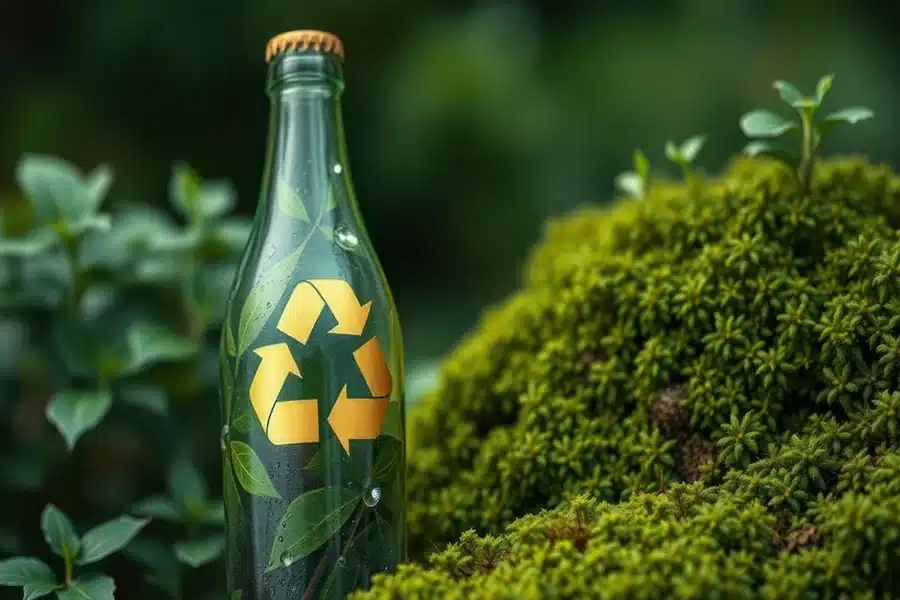
In the evolving landscape of product packaging, glass continues to be a material of choice for companies aiming to marry sustainability with aesthetic appeal. The importance of sustainable branding has never been more pronounced, as consumers increasingly demand eco-friendly products. This shift has led to significant innovation in glass packaging solutions, making it a core component in sustainable business practices.
The Role of Glass in Sustainable Packaging
Glass is inherently sustainable due to its natural composition and recyclability. Unlike many plastics and other synthetic materials, glass can be reused and recycled indefinitely without loss of quality or purity. This property distinguishes it as one of the most environmentally responsible options for packaging across various industries, including food, beverages, and pharmaceuticals.
Furthermore, glass does not contain harmful chemicals that could leach into contents or the environment. Its inert nature ensures product safety and preservation, which is particularly crucial for sensitive items such as food and cosmetics.
Innovations Enhancing Glass Packaging
Recent advancements have propelled glass packaging beyond traditional forms. One notable innovation is the development of lightweight glass bottles and containers. By reducing the thickness of glass while maintaining strength, manufacturers have successfully decreased the carbon footprint associated with transportation and raw material usage.
Another groundbreaking advancement involves surface treatments that improve the durability and resistance of glass containers. These coatings can prevent scratches and extend shelf life, further enhancing sustainability by reducing waste due to breakage or spoilage.
Amber Glass: A Sustainable Choice
Amber glass is gaining traction as a preferred solution due to its specific protective qualities. It effectively blocks harmful ultraviolet (UV) light, which can degrade contents, especially in sensitive products like essential oils, pharmaceuticals, or craft beverages. By enhancing product stability and longevity, amber glass reduces the need for preservatives and prolongs shelf life, complementing sustainable branding goals.
Manufacturers and brands looking for high-quality amber glass options can explore specialised glass packaging solutions which offer a variety of container types and sizes tailored to different industry requirements.
Design Flexibility and Brand Differentiation
Innovative glass packaging solutions afford brand owners significant design flexibility. Customisation options include unique shapes, finishes, colours, and embossing, which allow companies to create visually distinctive products that resonate with their target audience.
This design aspect is crucial in sustainable branding, as it helps convey the brand’s commitment to environmental responsibility while maintaining a premium appearance. Consumers are more likely to engage with and remain loyal to brands that visibly demonstrate eco-conscious values through their packaging choices.
Environmental Impact and Lifecycle Considerations
The environmental impact of glass packaging extends beyond its recyclability. The lifecycle assessment of glass packages examines raw material extraction, manufacturing, transportation, usage, and end-of-life treatment. Innovations in energy-efficient production methods and the use of recycled glass cullet significantly reduce greenhouse gas emissions and resource consumption.
Additionally, many regions have established effective recycling infrastructures for glass, encouraging higher recycling rates compared to plastics. This reality ensures that glass packaging remains a sustainable option that aligns with global waste reduction goals.
Challenges and Solutions in Glass Packaging
Despite its advantages, glass packaging presents certain challenges. Its weight can result in higher transportation emissions, and the fragility of glass containers necessitates careful handling. Manufacturers have addressed these issues by producing lighter weight glass and employing protective packaging designs, as well as investing in supply chain optimisation.
Furthermore, the integration of smart packaging technologies, such as QR codes or NFC chips embedded in glass labels or caps, enhances consumer engagement without compromising sustainability. These technologies provide valuable information on recycling, usage, and brand story, reinforcing sustainable branding messages.
Industry Trends and Consumer Expectations
The demand for transparent corporate social responsibility has led many businesses to adopt sustainable packaging as a non-negotiable aspect of their brand identity. Market trends indicate a significant increase in consumer preference for brands utilising recyclable or reusable materials, with glass often preferred for its premium quality and environmental benefits.
Companies are progressively leveraging glass packaging to meet regulatory standards and industry certifications related to environmental impact. This shift not only satisfies customer expectations but also provides competitive advantages in an increasingly eco-conscious market.
Case Studies Highlighting Successful Glass Packaging Implementation
Several brands have reported positive outcomes from integrating innovative glass packaging into their product lines. These include reductions in material waste, improved product shelf life, and enhanced consumer perception of brand responsibility. Notably, brands utilising amber glass bottles for natural cosmetics or craft beverages have witnessed increased sales and customer loyalty driven by the sustainability narrative.
The Future of Glass Packaging in Sustainable Branding
Continuous research and development promise further enhancements in glass packaging performance and sustainability. Emerging trends suggest the adoption of hybrid packaging systems that combine glass with sustainable closures and secondary packaging materials, optimising functionality and environmental impact.
Moreover, circular economy principles are increasingly embedded in packaging strategies, encouraging the design of glass containers with reuse and recycling in mind from inception to disposal.
Conclusion
Innovative glass packaging solutions represent a vital component of sustainable branding strategies. Their natural recyclability, protective qualities, and design versatility provide brands with effective means to align with environmental objectives while meeting consumer needs.
Companies seeking to integrate sustainable glass packaging are advised to explore specialised amber glass options and leverage new technological advancements that enhance durability and reduce environmental impact. Through these measures, brands can confidently communicate their commitment to sustainability and forge stronger connections with eco-conscious consumers.
