

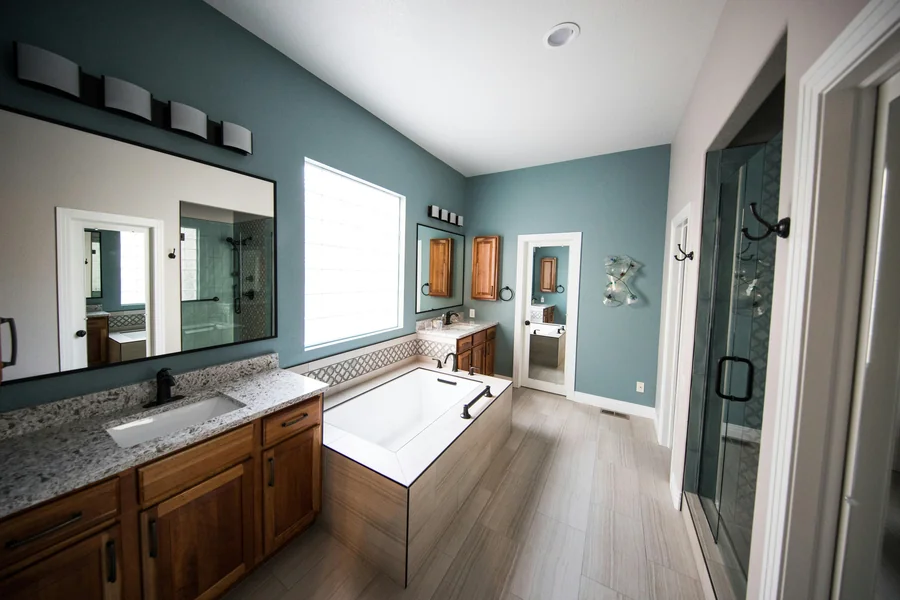
Remodeling a bathroom can transform one of the most functional rooms in your home into a space of comfort, style, and practicality. However, the process is more intricate than simply replacing a few fixtures or updating tiles. A successful remodel requires careful planning, thoughtful choices, and foresight to avoid costly mistakes. Understanding what to consider before starting your project ensures your new bathroom meets your needs now and in the future.
Identifying Your Priorities
Before you begin, it’s essential to understand why you want to remodel your bathroom. Are you aiming to increase storage, improve efficiency, modernize the style, or make the space more accessible? Defining your priorities early helps shape the project scope and informs key decisions. For example, a family bathroom may need additional storage and durable surfaces, whereas a master bath may focus on luxury features like a soaking tub or rainfall shower. Clarifying your goals keeps the renovation focused and purposeful.
Evaluating Space and Layout
The layout of a bathroom directly impacts its functionality. Even small adjustments in the positioning of fixtures can create more open space or improve flow. Consider how people move through the room and how often multiple users need to share it. For compact bathrooms, clever solutions like floating vanities, wall-mounted toilets, or pocket doors can maximize usable space. For larger bathrooms, planning zones for bathing, dressing, and storage can create a balanced and comfortable environment. Proper layout planning helps prevent overcrowding and enhances daily usability.
Material Selection Matters
Choosing materials is more than an aesthetic decision; it affects durability, safety, and maintenance. Flooring should resist moisture and provide traction to reduce slipping hazards, while walls and countertops should endure frequent cleaning. Materials like porcelain, quartz, or natural stone are common choices due to their long-lasting properties, but consider your lifestyle. Families with young children may prioritize durability over luxury finishes, while homeowners seeking a spa-like feel might opt for premium textures and patterns. Selecting the right materials ensures your remodel lasts and remains functional.
Lighting and Ventilation
Many remodels fail to account for the importance of lighting and ventilation. Proper lighting is essential for everyday tasks, such as shaving, applying makeup, or cleaning, and layering ambient, task, and accent lighting creates a comfortable and practical environment. Ventilation prevents moisture buildup, which can lead to mold, mildew, and structural damage. Whether through exhaust fans, windows, or a combination, effective airflow is critical to maintaining a healthy, long-lasting bathroom.
Plumbing and Electrical Planning
Even minor remodels often involve updates to plumbing and electrical systems. Pipes may need rerouting for new fixtures, or older wiring may need replacement to meet safety codes. Consulting licensed professionals ensures that installations are safe, compliant, and efficient. Neglecting these systems can lead to leaks, electrical hazards, and costly repairs in the future. Addressing these technical details early in the remodel avoids unexpected challenges down the line.
Storage Solutions and Organization
A bathroom may look beautiful, but if it’s cluttered, it will feel cramped and chaotic. Thoughtful storage solutions, such as built-in shelves, medicine cabinets, or vanity drawers, can significantly improve organization. Recessed niches in the shower or strategically placed shelving add convenience without taking up floor space. Considering storage needs during the design stage ensures your bathroom remains tidy and functional once the remodel is complete.
Style Versus Timelessness
While it’s tempting to follow trends, choosing timeless design elements ensures your remodel remains appealing for years. Classic tile patterns, neutral tones, and simple fixture styles can be updated with accessories rather than a full renovation. However, adding a few contemporary touches, such as modern lighting or a statement mirror, can balance longevity with personality. A design that reflects your taste while avoiding overly fleeting trends maximizes the long-term value of your remodel.
Accessibility and Future Planning
Even if your current needs are modest, planning for the future is wise. Features like walk-in showers, grab bars, wider doorways, or adjustable-height vanities improve accessibility as needs change over time. Incorporating flexibility into your bathroom remodel helps the space accommodate aging in place or future family members. Thinking ahead ensures that your investment continues to meet functional requirements well into the future.
Maintenance Considerations
Finally, consider how easy your new bathroom will be to maintain. Low-maintenance materials, well-placed storage, and easy-to-clean surfaces reduce ongoing effort. Selecting fixtures and finishes that resist water stains, mold, and soap scum can save hours of cleaning. Maintenance planning ensures that your remodel remains enjoyable rather than becoming a burden, preserving both appearance and functionality for years to come.
Conclusion
A bathroom remodel is an opportunity to elevate one of the most important spaces in your home, but success requires deliberate planning and careful decision-making. From defining your goals and evaluating layout to choosing materials, lighting, ventilation, plumbing, storage, and design style, each element contributes to a functional and lasting result. Considering accessibility and maintenance ensures the space will serve your family well into the future. By approaching the remodel thoughtfully, you can create a bathroom that combines comfort, efficiency, and beauty while avoiding unnecessary costs and frustrations. The right planning transforms a renovation from a temporary upgrade into a lasting improvement that enhances both your daily life and the value of your home.
