

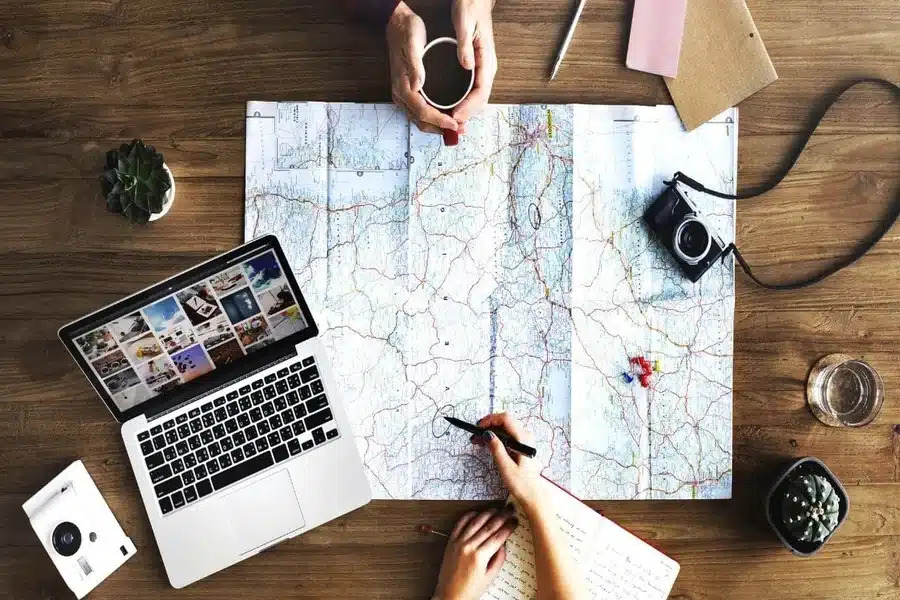
How to Plan the Perfect Vacation is something many people think about when they need a break from daily routines. A well-planned trip can refresh your mind, strengthen relationships, and create lasting memories. However, without proper planning, even a short getaway can turn stressful and overwhelming.
The key to a great vacation is preparation combined with flexibility. It’s about knowing what you want from your trip and organizing the details in a way that allows you to relax and enjoy the experience. From choosing the right destination to managing your budget and itinerary, each step plays an important role.
Planning doesn’t have to be complicated. With a clear approach and a few practical tips, you can design a trip that suits your needs and expectations.
Choosing the Right Destination
The first step in planning a successful vacation is selecting a destination that aligns with your interests and preferences. Some people prefer relaxing on a beach, while others enjoy exploring cities or experiencing nature.
Think about what kind of experience you want. If you’re looking for relaxation, coastal destinations might be ideal. If you enjoy history and culture, cities like Rome or Istanbul offer rich experiences filled with landmarks and traditions.
Climate is another important factor. Research the weather conditions during your travel dates to ensure they match your expectations. Traveling during the off-season can also provide a quieter and more affordable experience.
Accessibility, safety, and travel requirements should also be considered. Choosing the right destination sets the foundation for a smooth and enjoyable trip. Find trending news at pressvibepulse com.
Setting a Realistic Budget
Budgeting is a crucial part of vacation planning. Without a clear budget, expenses can quickly add up and create unnecessary stress.
Start by estimating major costs such as transportation, accommodation, food, and activities. It’s also wise to include a buffer for unexpected expenses.
Prioritize what matters most to you. If you value comfort, you may choose to spend more on accommodation. If experiences are your priority, allocate more funds for activities and tours.
There are many ways to save money while traveling. Booking flights and hotels in advance, using travel deals, and choosing local dining options can help reduce costs.
A well-planned budget ensures that you can enjoy your trip without constantly worrying about expenses.
Planning Your Itinerary Wisely
An itinerary helps you make the most of your time, but it’s important not to overfill your schedule. Trying to do too much can lead to exhaustion and reduce your enjoyment.
Start by listing the main attractions and activities you want to experience. Then, organize them in a logical order based on location and timing.
Leave room for flexibility. Some of the best travel moments happen spontaneously, whether it’s discovering a hidden café or attending a local event.
Balancing planned activities with free time allows you to enjoy your trip at a comfortable pace. It also gives you the freedom to adjust your plans if needed.
A thoughtful itinerary helps you stay organized while still enjoying the journey.
Booking Accommodation and Transportation
Choosing the right accommodation can greatly impact your travel experience. Consider factors such as location, comfort, and budget when making your decision.
Staying in a central location can save time and make it easier to access attractions. Options range from hotels and resorts to vacation rentals and hostels, depending on your preferences.
Transportation is equally important. Booking flights early can help you secure better prices and preferred schedules. If you plan to travel within your destination, research local transportation options such as public transit, taxis, or car rentals.
Reading reviews and comparing options can help you make informed choices. Reliable bookings contribute to a smoother and more enjoyable trip.
Packing Smart and Preparing Essentials
Packing is often underestimated, but it plays a significant role in your travel experience. Bringing the right items can make your trip more comfortable and stress-free.
Start by checking the weather and planning your outfits accordingly. Choose versatile clothing that can be mixed and matched. Avoid overpacking by focusing on essentials.
Important documents such as passports, tickets, and identification should be kept organized and easily accessible. It’s also helpful to carry copies in case of emergencies.
Don’t forget basic items like medications, chargers, and travel-sized toiletries. A small first-aid kit can also be useful.
Packing smart ensures that you are prepared for your trip without carrying unnecessary weight.
Making the Most of Your Vacation Experience
Once your trip begins, the focus should shift from planning to enjoying the experience. Being present and open to new experiences can make your vacation more meaningful.
Engage with local culture by trying traditional food, interacting with locals, and participating in cultural activities. This adds depth to your travel experience.
Take time to relax and appreciate your surroundings. Whether it’s watching a sunset or enjoying a quiet moment, these experiences often become the most memorable.
It’s also important to take care of yourself during the trip. Staying hydrated, getting enough rest, and managing your energy levels help you enjoy your vacation fully.
Balancing exploration with relaxation creates a fulfilling and enjoyable journey.
Final Thought
How to Plan the Perfect Vacation is not about creating a flawless schedule—it’s about designing an experience that brings you joy and relaxation. With thoughtful planning, realistic expectations, and a flexible mindset, you can turn any trip into a memorable adventure.
Every traveler has different preferences, and there is no single formula for the perfect vacation. What matters most is that your trip reflects your interests and allows you to disconnect from daily stress.
By focusing on preparation and staying open to new experiences, you can create a vacation that not only meets your expectations but exceeds them. In the end, the perfect vacation is one that leaves you refreshed, inspired, and ready for what comes next.
FAQs
What is the first step in planning a vacation?
The first step is choosing a destination that matches your interests, budget, and travel goals.
How far in advance should I plan a vacation?
Planning at least a few weeks to a few months in advance is recommended, depending on your destination.
How can I save money on travel?
You can save money by booking early, traveling during off-peak seasons, and comparing prices for flights and accommodation.
Is it better to have a strict itinerary or a flexible one?
A flexible itinerary is usually better as it allows you to adjust plans and enjoy spontaneous experiences.
What should I pack for a vacation?
Pack essentials such as clothing, documents, medications, and personal items based on your destination and weather.
How do I avoid stress while traveling?
Proper planning, staying organized, and allowing time for rest can help reduce stress during your trip.
