

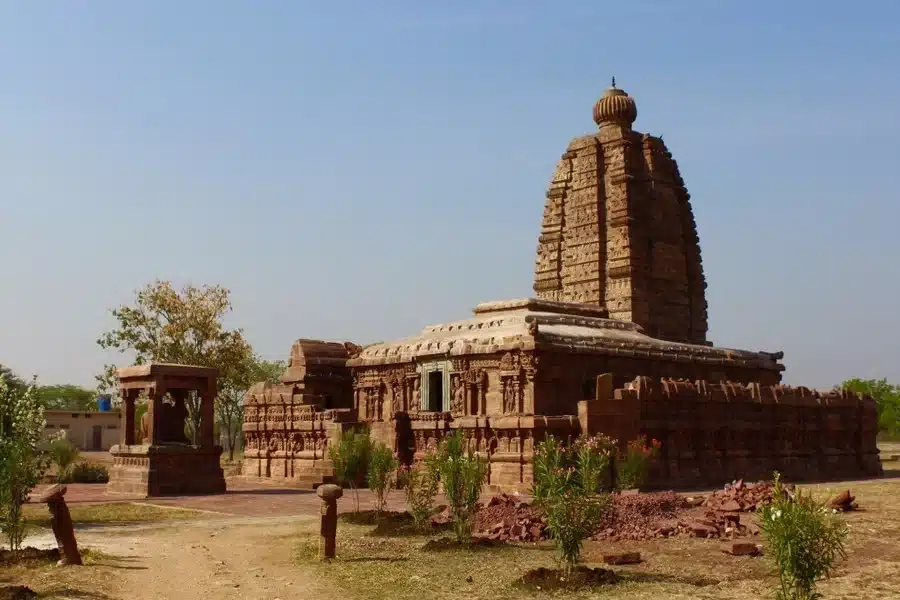
Sangameshwara Temple is a holy and famous religious establishment in India. This is an ancient temple located in the southern state of Karnataka where devotees and tourists visit. The temple is a place of worship that has existed through centuries due to its spirituality, historical background, and architectural excellence. This article is a detailed exploration of the beauty, history and significance of the Sangameshwara Temple.
History of Sangameshwara Temple
Sangameshwara Temple has a very interesting history dating back to centuries. This temple is devoted to one of the most popular gods in the Hindu religion, Lord Shiva. The temple is thought to have been constructed in Chola dynasty that existed between the 9 th -13 th centuries. The temple has been renovated a number of times over time making it more architecturally and spiritually appealing.
The location of the Temple is one of its important characteristics. It is joined by two rivers, the Krishna and the Tungabhadra, which is a geographical asset that contributes to its holiness. The temple is also a symbol of unity between nature and spirituality as well as a place of worship.
Architectural Marvel of Sangameshwara Temple
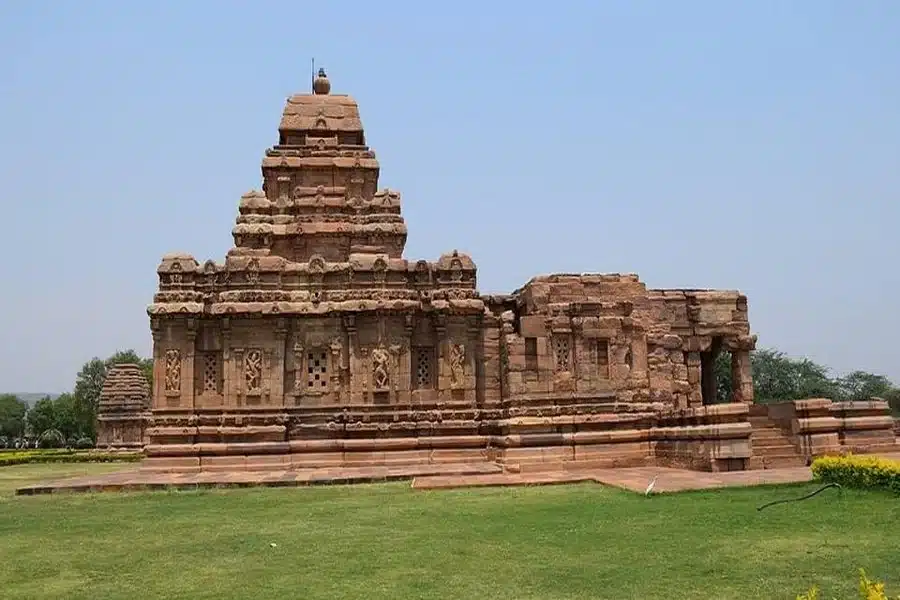
A good example of a Dravidian architecture is the Sangameshwara Temple. Its complex carvings, elaborate sculptures and high spires are what makes it one of the best architectural masterpieces of its era. The idol of Lord Shiva is placed in the main sanctum and is worshiped by the thousands of followers who come annually.
Outside walls of the temple are decorated with some stone carvings representing the Hindu myths. These carvings provide the insights into the culture and traditions of ancient India and reveal the artistic skill of craftsmen who constructed the temple. The sanctum is also very enthralling with the beautiful architecture that is very serene and religious.
Religious Significance of Sangameshwara Temple
The Sangameshwara Temple is a very important structure in the Hindu community. It is believed to be a strong spiritual hub where everyone in the society visits to get blessings and pray to be blessed with peace and prosperity. The temple particularly matters to followers of the Lord Shiva, who are quoted saying that praying in this temple helps one to be closer to the blessings of God.
Among the most important rituals in the temple is the submission prayers and flowers to Lord Shiva. The traditional Abhisheka ceremony is also practiced by the devotees in which the sacred water is sprinkled at the Shiva Lingam. It is said to cleanse the soul and be blessed with good health, wealth and wisdom.
Festivals at Sangameshwara Temple
Another reason that makes Sangameshwara Temple is that it hosts a number of festivals annually. These are celebrations with devotional zeal, which draw thousands of pilgrims across the nation of India. Among the most important celebrations done in the temple is Maha Shivaratri that is the night of Lord Shiva. It is also the period when the temple is lit up using lights and special prayers and rituals are conducted to honor the deity.
Besides Maha Shivaratri, there are other major festivals celebrated here such as Navaratri, Diwali and Holi among others with a lot of enthusiasm. These festivals are not just uniting the community but also give the community the feeling of spiritual highs and closeness to divinity.
Visiting Sangameshwara Temple
To visitors, who intend to visit the Temple, it is well connected by road and rail to other major cities on the state of Karnataka and beyond. The temple is situated in a quiet setting and is way out of the sound pollution of city life and thus it is a good place to visit by spiritual seekers and nature lovers.
People, who visit the temple, have an opportunity to visit its calm environment, absorb the natural beauty and feel relaxed and restorative. The temple is also close to both Krishna and Tungabhadra rivers which make the place a serene meditation location.
Read More: Places to Visit in Rajgir – Explore the Best Attractions
Why Visit Sangameshwara Temple?
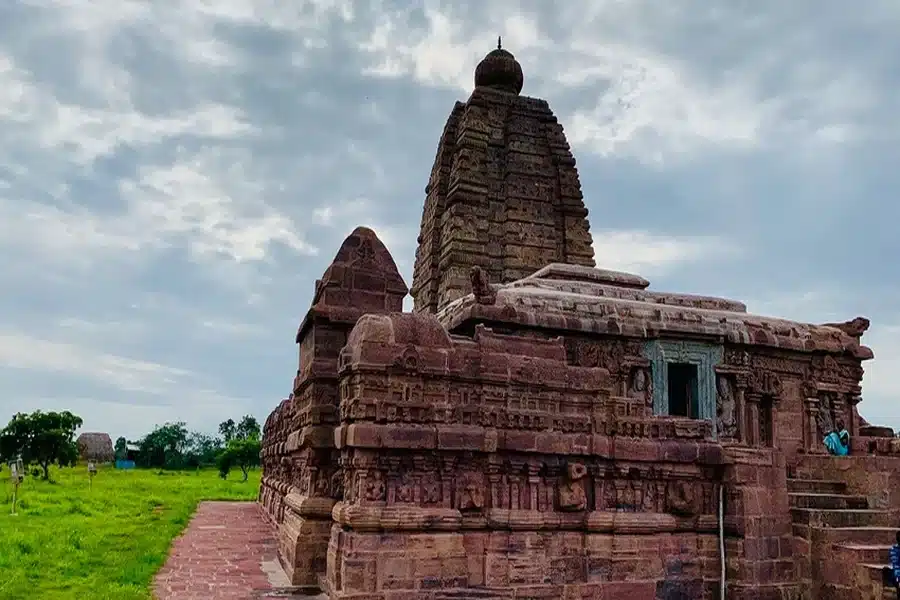
Sangameshwara Temple has a lot of reasons to be visited. The temple is a treasure trove of culture, spirituality and heritage. Which makes the temple worth visiting with its rich history and breathtaking architecture. The Sangameshwara Temple has something to offer to any devotee who wants to have a prayer area. And the tourist who wants to know more about the religious practices in India.
It is a memorable experience as it is quite peaceful. And the spiritual power that radiates through the temple seems to be unforgettable. It is a landmark location that no one would forget. Even after visiting it because you can be moved by the architecture and history of the place. Or whether you are going there to take a religious journey.
Final Thought
It is not only a worshiping site but also an embodiment of the great Indian culture and architecture. It is a place to visit because of its historical values, architectural brilliance and spiritual value. That makes it an indispensable destination to any individual. Wishing to learn more about the rich traditions of India. Be it a devotee or a tourist. The Sangameshwara Temple will provide an experience that will relate you to the past as well as the divine.
FAQs
Where is Sangameshwara Temple located?
It is located in the state of Karnataka, India, at the confluence of the Krishna and Tungabhadra rivers.
What is the history behind Sangameshwara Temple?
It was built during the Chola dynasty period and has been an important center for worshipping Lord Shiva for centuries.
What is the significance of the river confluence near Sangameshwara Temple?
The confluence of the Krishna and Tungabhadra rivers adds to the sanctity of the Sangameshwara Temple, making it a spiritually powerful site.
Which festivals are celebrated at Sangameshwara Temple?
Major festivals celebrated at the temple include Maha Shivaratri, Diwali, Navaratri, and Holi.
What is the main deity worshipped at Sangameshwara Temple?
The main deity worshipped at the temple is Lord Shiva. And the temple features a Shiva Lingam in the main sanctum.
