

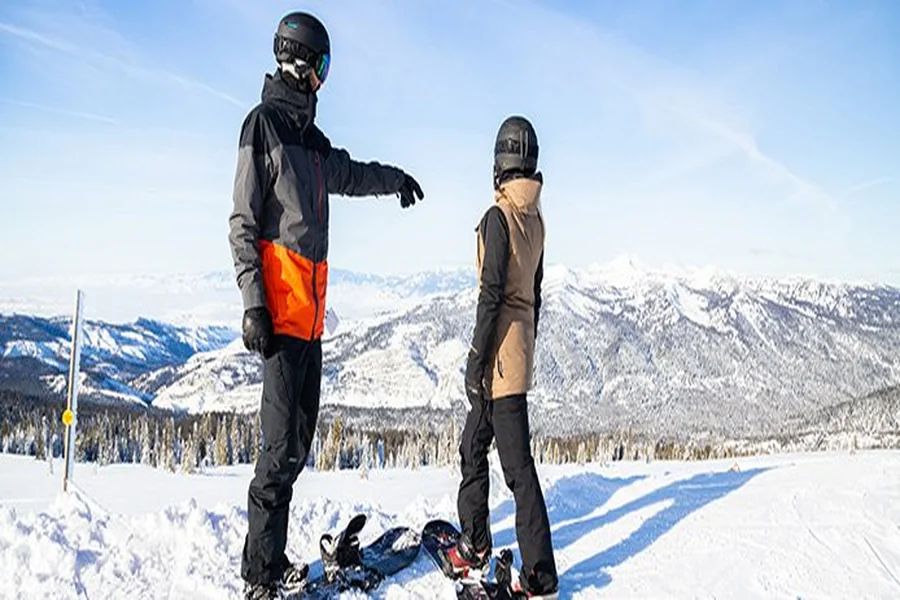
Idaho ranks 6th nationally in skier days per capita, ahead of Utah, yet most skiers outside the Pacific Northwest never consider the state as a destination. That gap between quality and reputation is exactly what makes Idaho’s mountains appealing. Resorts like Brundage Mountain in McCall offer 1,920 acres of lift-served skiing plus access to 18,000 acres of guided SnowCat backcountry, all without the lift lines and parking lot chaos that define a typical holiday weekend at larger destinations.
The numbers back up what regulars already know. Idaho ski resorts recorded 2.4 million skier visits in the 2024-25 season, ranking 10th among 37 states with ski areas. The state’s 17,227 combined skiable acres rank 5th nationally. More available terrain per visitor translates to more untracked snow, more open runs, and a more relaxed atmosphere across every resort.
Where to find the best snow
Snow quality varies by region across Idaho, but the consistent thread is cold temperatures that preserve powder between storms. Northern resorts, including Schweitzer near Sandpoint and Silver Mountain in Kellogg, average around 300 inches annually and benefit from moisture-rich systems that roll in off the Pacific. Central Idaho mountains around McCall and the Salmon River corridor catch similar totals with even colder overnight temperatures.
The combination of cold winter air and low-humidity snowfall creates what powder skiers call “cold smoke,” where fresh accumulation is so dry and light that it billows around you on every turn. This type of snow packs loosely, floats longer, and provides the sensation of skiing through air rather than pushing through resistance. Groomed trails benefit too, as the cold surfaces hold their corduroy texture well into the afternoon instead of turning to mush by 11 a.m. like warmer-climate resorts.
Sun Valley’s Bald Mountain adds a different dimension to the snow equation. At 9,150 feet, its summit elevation means colder temperatures and longer-lasting base layers. The mountain receives roughly 220 inches annually, less than its northern neighbors, but the quality per inch is exceptional. Pebble Creek, down near Pocatello, tops 9,200 feet and catches storm systems from the south that other Idaho areas miss entirely.
Terrain for every skill level
One of Idaho’s distinguishing features is that most resorts accommodate genuine beginners and advanced skiers on the same mountain without forcing either group into a compromised experience. Beginner terrain tends to follow gentle ridgeline traverses with wide, well-groomed surfaces and minimal traffic. Intermediate runs drop into the main fall lines where terrain steepens gradually and natural features like rolls and knolls introduce variety.
Expert terrain in Idaho leans heavily toward tree skiing and natural backcountry-style lines accessed by chairlift. Schweitzer’s 2,900 acres at this mountain resort include steep gladed slopes that extend to the resort boundary. Tamarack, near Donnelly, has built a reputation on its tree skiing through dense stands of subalpine fir. The trails at these mountains follow the contours of the land, dropping through forest corridors rather than cutting wide swaths across open hillsides.
Lessons are available at every major Idaho ski area, and the uncrowded conditions make learning environments substantially better than what you find at busier resorts. New skiers and snowboard riders spend less time dodging traffic and more time building confidence on open terrain. Rental equipment, including boots, poles, goggles, and skis or boards, is available at all 19 alpine areas. Pricing runs below what comparable gear costs at Colorado or Utah rental shops. For families and mixed-ability groups, that combination of available instruction, affordable gear, and uncrowded terrain makes Idaho a strong choice for introducing new skiers to the sport.
Guided backcountry and snowcat skiing
Idaho’s backcountry access is a major draw for experienced skiers looking beyond groomed trails. Guided SnowCat operations take small groups into terrain that would otherwise require touring equipment and avalanche safety training. These trips access remote alpine bowls, old-growth timber runs, and open ridgelines where the only tracks in the powder are the ones you make.
The thrill of a cat-skiing day is fundamentally different from lift-served skiing. Groups typically make six to ten runs across varied terrain, eating lunch in the field and spending the entire day in snow that has not been touched by another human being. For skiers who have spent years at crowded resorts, this kind of experience redefines what the sport can feel like.
Backcountry skiing without guides is popular in the Sawtooth Range and throughout the central Idaho wilderness, but it requires substantial equipment, training, and awareness of avalanche conditions. Idaho’s terrain traps and elevation changes create serious avalanche terrain that claims experienced backcountry travelers every season. For most visitors, the guided snowcat option delivers the backcountry feel with a far better safety margin. Nordic skiing trails near many of these same areas offer a quieter, lower-impact way to enjoy Idaho’s winter landscape on a different scale.
Scenery and the mountain experience
The alpine views from Idaho’s ski terrain are distinct from other Rocky Mountain states. The Sawtooth Range, visible from multiple central Idaho resorts, presents a jagged skyline that looks more like the Dolomites than the rounded summits common in Colorado. Northern Idaho’s lake country, particularly Payette Lake near McCall and Lake Pend Oreille near Schweitzer, adds water to the backdrop in a way that very few ski destinations can match.
The lodge and chalet culture across Idaho’s resorts matches the scenery in its lack of pretension. Base areas serve good food at reasonable prices, local beer shows up on every tap list, and the après-ski conversation tends toward where the best snow was rather than what anyone is wearing. That atmosphere reflects a ski culture built by locals rather than investors, and it shows in the way people interact on the mountain, in the lift line, and at the bar afterward.
Why Idaho skiing keeps growing
The 2023-24 season generated $402 million in direct visitor spending and $569 million in gross domestic product, accounting for about 0.5% of Idaho’s total GDP. Capital investments at ski areas reached $186.6 million during the same period, a 175% increase from 2020-21. That money has funded new chairlifts, expanded snowmaking, improved lodge facilities, and trail work that makes the mountains ski better without adding the crowds.
Idaho draws 57.4% of its skier visits from state residents, which keeps the culture grounded. Out-of-state visitors arrive from Washington (12.8%), California (5.8%), and Montana, with smaller numbers from Salt Lake City, Los Angeles, and New York. About 61% of all visitors are day-trippers, meaning the overnight infrastructure exists but is not stretched thin. Overnight visitors find lodging across Valley, Bonner, and Blaine counties, with options from vacation rentals to traditional hotels and motels. The season runs late November through mid-April for lift-served terrain, with backcountry conditions extending into May at higher elevations. Peak conditions in February and March coincide with longer daylight hours, making late-season trips particularly rewarding. You can plan a ski vacation in Idaho without the six-month-advance booking window that resort towns in Colorado and Utah now require.
