

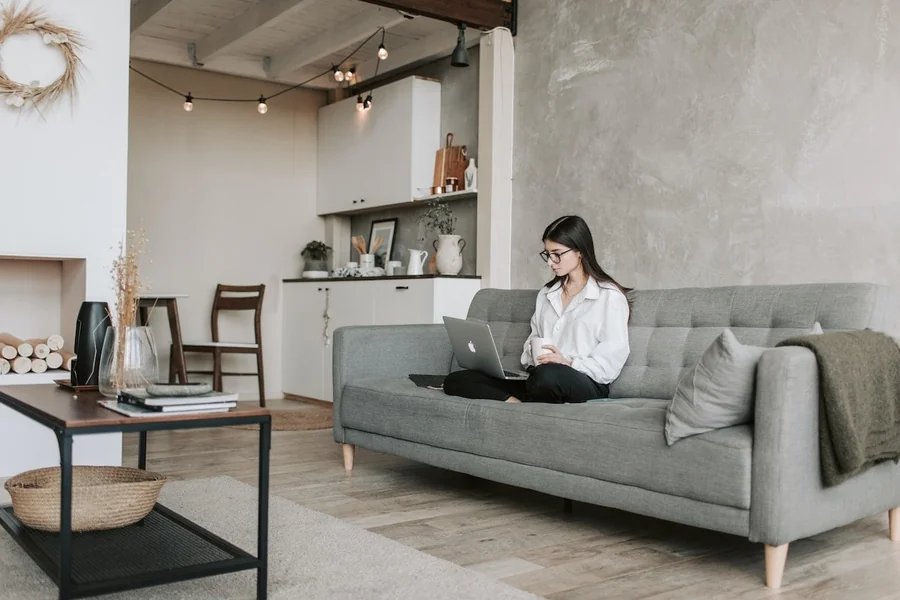
Modern life often feels crowded with responsibilities, possessions, digital distractions, and endless choices. Many people spend years collecting items, commitments, and habits that may no longer bring real value. Over time this can create stress, clutter, and a feeling of being constantly overwhelmed. That is one reason more people are becoming interested in living with less.
Minimalist Living for Beginners is not about owning almost nothing or giving up everything you enjoy. It is about making intentional choices and creating space for what truly matters. Minimalism focuses on removing unnecessary distractions so that time, energy, and attention can be directed toward meaningful experiences, relationships, and personal goals.
For some people this begins with cleaning out a closet. For others it may start with reducing digital distractions, spending less money, or simplifying daily routines. No matter where the journey begins, the goal remains the same. A simpler life often creates more clarity, peace, and freedom.
Minimalism is not a strict set of rules. It is a personal lifestyle that can be shaped around your values, needs, and circumstances. For beginners, the process does not need to happen overnight. Small changes often create the biggest long term results.
Understanding What Minimalism Really Means
Many people misunderstand minimalism. Some imagine empty rooms, plain clothing, or a life without comfort. In reality, minimalism is less about appearance and more about intention.
Minimalism asks an important question. Does this item, habit, or commitment truly add value to my life?
The answer helps people identify what deserves their time and what may simply be creating unnecessary stress.
For one person, minimalism may mean owning fewer clothes and building a practical wardrobe. For another, it may mean reducing social commitments, limiting screen time, or managing finances more carefully.
The purpose is not deprivation. The purpose is clarity.
When people remove what no longer serves them, they often create more room for creativity, rest, relationships, and personal growth.
Minimalism also looks different at different stages of life. A student, parent, business owner, or retiree may all practice minimalism in unique ways.
Understanding that minimalism is personal makes it much easier for beginners to start without pressure. A helpful explanation is available on boringmagazine.co.
Start with Decluttering Your Physical Space
One of the easiest ways to begin a minimalist lifestyle is by decluttering your environment. Physical clutter often creates mental clutter as well.
A crowded room can make it harder to focus, relax, or feel organized. Removing unused or unnecessary items can instantly make a space feel calmer.
Start small. A drawer, shelf, closet, or work desk can be a good place to begin.
Ask yourself simple questions while sorting through belongings. Do I use this regularly? Does it serve a purpose? Does it bring value to my life?
If the answer is no, it may be time to donate, recycle, or responsibly let it go.
Many beginners make the mistake of trying to declutter an entire home in one day. This often leads to frustration.
Slow progress is more sustainable. Completing one small area at a time builds confidence and momentum.
Once physical spaces become simpler, daily routines often feel easier and more enjoyable.
A cleaner environment can also reduce stress and improve productivity.
Simplify Your Daily Routine
Minimalism is not only about possessions. It also applies to how time and energy are managed.
Many people fill their schedules with tasks, commitments, and distractions that leave little room for rest or meaningful experiences.
Simplifying your routine can create better balance.
Begin by identifying activities that feel unnecessary, repetitive, or emotionally draining.
This might include spending too much time on social media, saying yes to every invitation, or constantly multitasking.
Creating a simpler routine often means focusing on essential priorities.
Morning routines, meal planning, exercise, work schedules, and personal downtime can all benefit from structure.
When daily decisions become simpler, mental energy becomes available for more important things.
Even small habits such as preparing clothes the night before or limiting unnecessary notifications can reduce stress.
Minimalist routines support consistency, focus, and peace of mind.
Over time these habits create a lifestyle that feels more intentional and manageable.
Minimalism and Smart Spending Habits
Financial stress is one of the biggest challenges many people face. Minimalism often supports healthier spending habits by encouraging intentional purchases.
Instead of buying items out of impulse, people begin asking whether something is truly needed.
This simple shift can reduce waste and improve financial awareness.
Minimalist spending does not mean never buying anything enjoyable. It means choosing quality, usefulness, and long term value over temporary satisfaction.
For example, buying one well made jacket may be more valuable than buying several lower quality options.
Planning purchases also helps avoid clutter.
When people become more mindful about shopping, they often save money and feel more satisfied with what they own.
Minimalism can also support bigger financial goals such as paying off debt, building savings, or investing in experiences.
Financial simplicity creates freedom.
Spending with purpose often brings more satisfaction than collecting unnecessary possessions.
Creating a Digital Minimalist Lifestyle
Digital clutter can be just as overwhelming as physical clutter.
Phones, laptops, notifications, emails, social media, and endless online content can quietly drain attention and energy.
Digital minimalism focuses on using technology intentionally.
Start by reviewing your digital habits.
Remove apps you rarely use. Organize files and photos. Unsubscribe from emails that no longer matter.
Turn off unnecessary notifications that interrupt focus throughout the day.
Social media boundaries can also improve mental wellbeing.
Many people find that limiting screen time helps improve concentration, sleep quality, and emotional balance.
Technology should support your life, not control it.
A cleaner digital environment often leads to better productivity and more meaningful offline experiences.
For beginners, even one hour less screen time each day can create noticeable benefits.
Digital simplicity is becoming increasingly important in modern life.
Relationships and Priorities in a Minimalist Life
Minimalism also influences relationships and personal priorities.
When people remove distractions, they often gain a clearer understanding of what matters most.
This may include family, friendships, health, learning, creativity, or personal growth.
Some relationships bring energy and support, while others may create constant stress or negativity.
Minimalism encourages healthier boundaries and more intentional connections.
This does not mean cutting people out carelessly. It means investing more deeply in relationships that feel meaningful and respectful.
Time is one of life’s most valuable resources.
Choosing where to spend that time becomes easier when priorities are clear.
Minimalist living often creates more room for conversations, shared experiences, and emotional presence.
It reminds people that a meaningful life is often built on quality rather than quantity.
Final Thought
Minimalist Living for Beginners is not about perfection, empty spaces, or strict rules. It is about creating a life with greater clarity, purpose, and balance.
By decluttering your environment, simplifying routines, managing spending, reducing digital distractions, and focusing on meaningful priorities, minimalism can create positive changes in both your home and your mindset.
The journey does not need to happen all at once.
Small intentional choices often lead to the most lasting transformation.
Living with less can often help people experience more peace, more freedom, and a deeper appreciation for what truly matters.
FAQs
What is minimalist living?
Minimalist living is a lifestyle focused on removing unnecessary distractions and keeping what adds real value to your life.
How do beginners start living minimally?
Beginners can start by decluttering small spaces, simplifying daily routines, and becoming more mindful about purchases.
Does minimalism mean owning very few things?
No, minimalism is about owning what serves a purpose rather than following a specific number of possessions.
Can minimalism help reduce stress?
Yes, reducing clutter and simplifying routines can help create a calmer and more organized lifestyle.
How does minimalism affect spending habits?
Minimalism encourages intentional purchases, which can reduce impulse buying and support better financial decisions.
Can families practice minimalist living?
Yes, families can apply minimalist habits by organizing shared spaces, reducing clutter, and focusing on meaningful experiences.
